Fire Prevention Rules That Are Followed Only on Paper

Fire Prevention Rules That Are Followed Only on Paper
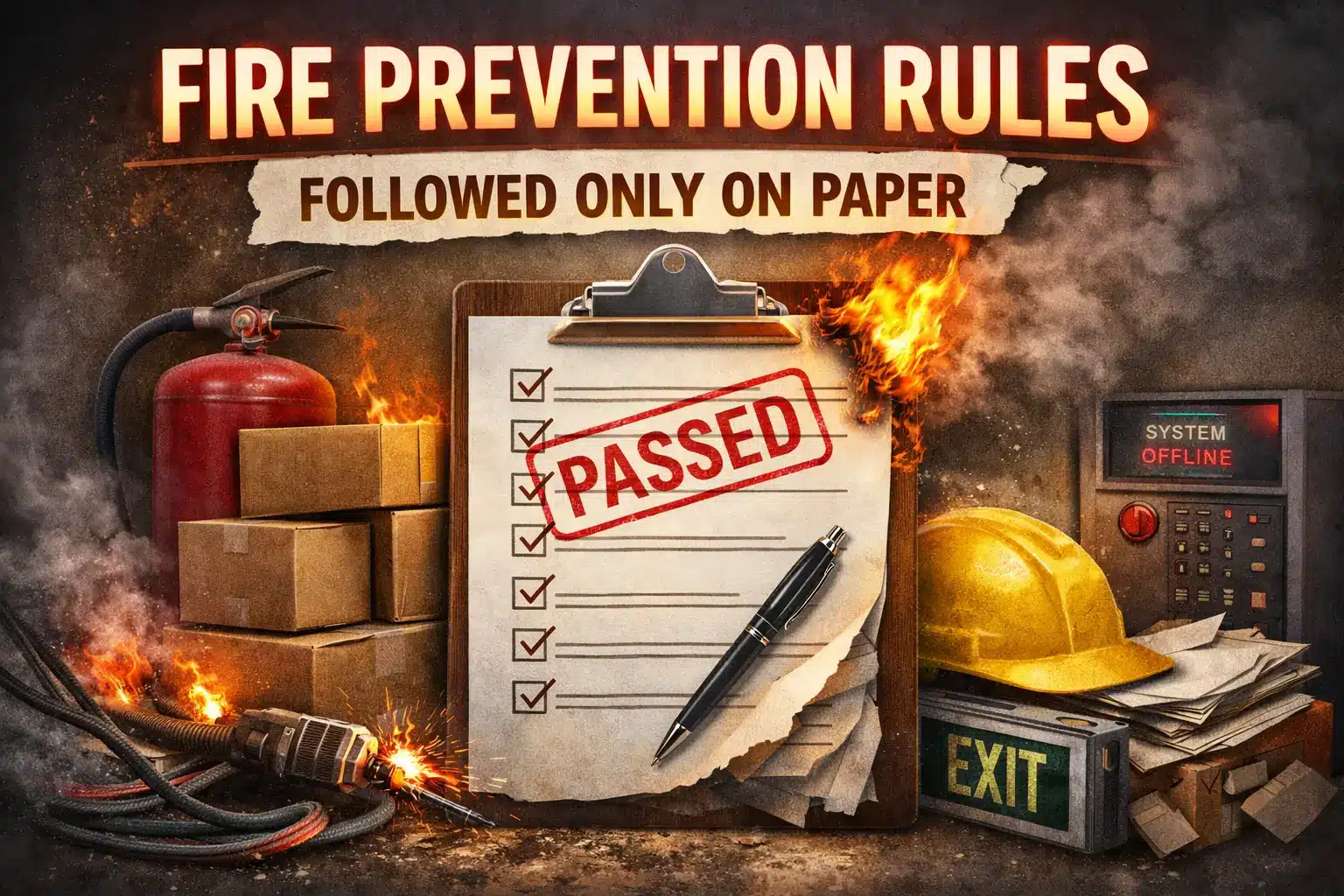
Fire Prevention Rules That Are Followed Only on Paper Most workplaces proudly claim that fire prevention rules are implemented.Policies exist. Procedures are documented. Checklists are signed. Yet fire accidents continue to occur in facilities that appear fully compliant on paper. This contradiction reveals a harsh reality.Many fire prevention rules are followed only on paper, not … Read more
Why Fire Audits Fail to Prevent Accidents

Why Fire Audits Fail to Prevent Accidents

Why Fire Audits Fail to Prevent Accidents Fire audits are conducted in almost every industrial, commercial, and institutional workplace.Yet fires continue to occur even in facilities that have recently passed fire audits. This raises a critical question:Why do fire audits often fail to prevent real fire accidents? The answer is uncomfortable but clear.In many workplaces, … Read more

Overconfidence That Leads to Workplace Fires

Overconfidence That Leads to Workplace Fires

Overconfidence That Leads to Workplace Fires Many workplace fires do not happen because safety systems are absent.They happen because people believe “nothing will happen to us.” Overconfidence is a silent but powerful fire hazard. When workers, supervisors, and management assume that experience, past success, or routine operations make them immune to fire risks, safety controls … Read more

How Poor Housekeeping Leads to Fire Accidents

How Poor Housekeeping Leads to Fire Accidents

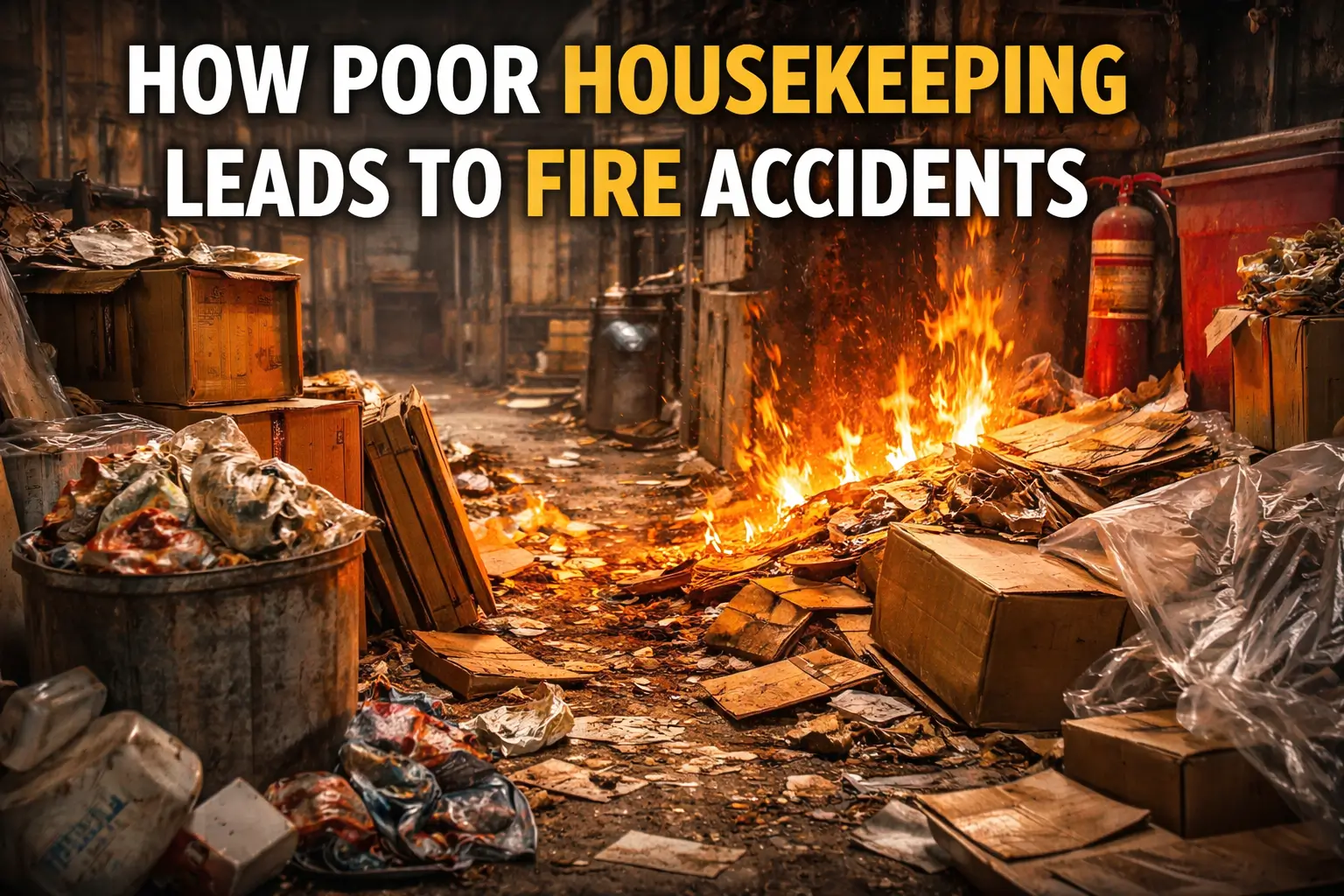
How Poor Housekeeping Leads to Fire Accidents Housekeeping is often misunderstood as a cleanliness issue rather than a fire safety requirement. In reality, poor housekeeping is one of the most common hidden causes of fire accidents in industries, warehouses, commercial buildings, and construction sites. Many serious fires have not started due to equipment failure or … Read more

Fire Risks Created by Temporary Work Activities

Fire Risks Created by Temporary Work Activities

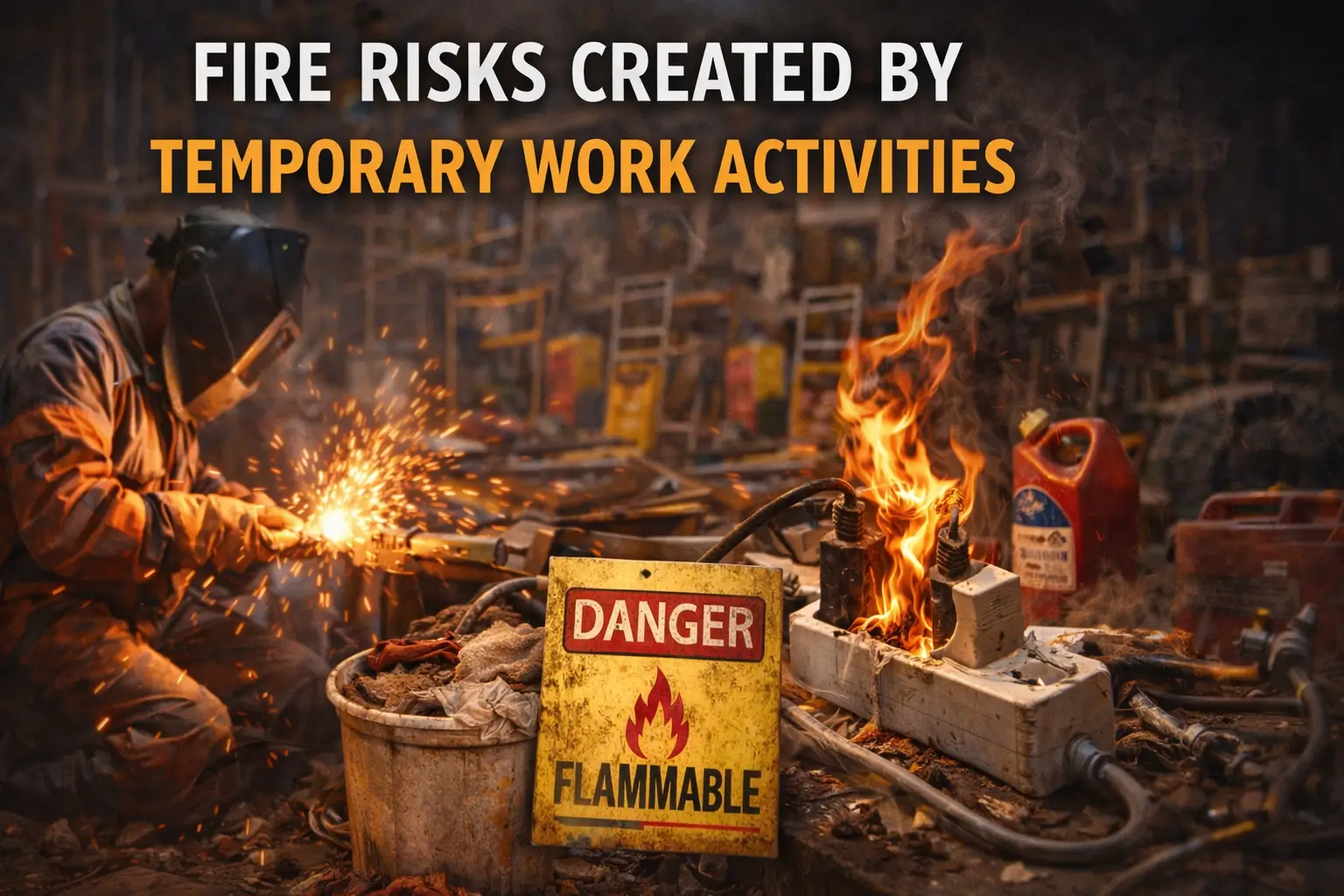
Fire Risks Created by Temporary Work Activities Temporary work activities are often treated as low risk because they are short-term. However, many major fires in workplaces start during activities that were never meant to be permanent. Hot work, maintenance tasks, temporary electrical connections, shutdown repairs, scaffolding work, cleaning operations, and construction modifications all introduce fire … Read more

Electrical Fire Safety Explained, Why Electrical Fires Start and How to Stop Them Before Ignition

Electrical Fire Safety

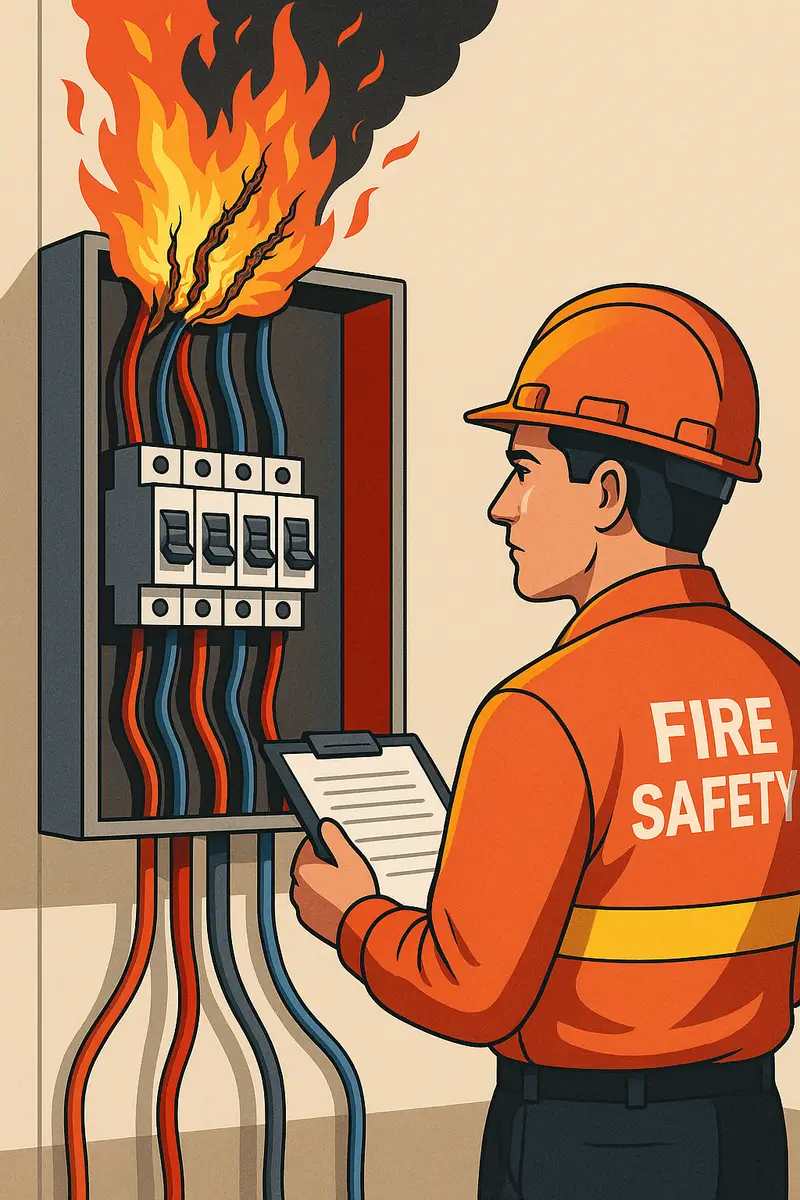
Electrical Fire Safety Explained, Why Electrical Fires Start and How to Stop Them Before Ignition Electrical fires rarely start with flames. In most cases, they begin silently inside panels, cables, or equipment long before smoke is visible. Site investigations repeatedly show that electrical fires are not sudden accidents. They are the result of ignored warning … Read more

Electrical Fire Causes Explained: Why Most Electrical Fires Start Without Warning

Electrical Fire Causes

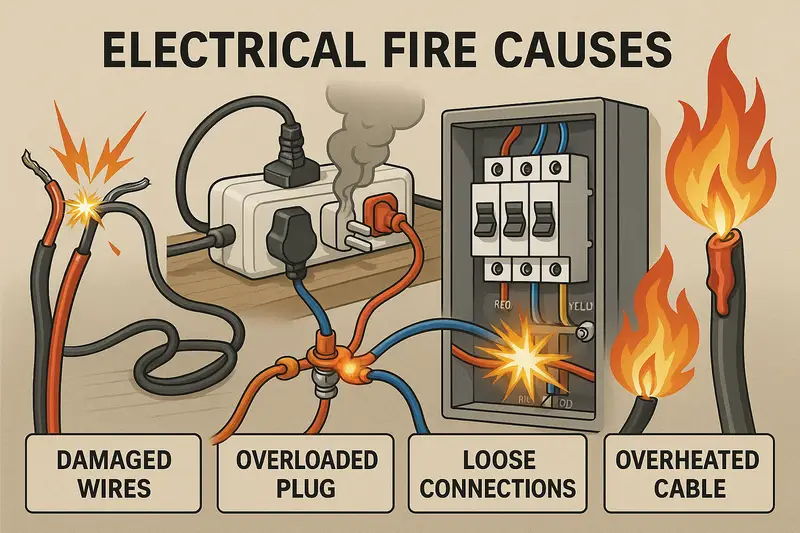
Electrical Fire Causes Explained: Why Most Electrical Fires Start Without Warning Electrical fires rarely start with flames.They usually begin silently inside walls, switchboards, cables, and equipment, long before anyone smells smoke or sees sparks. By the time flames appear, temperatures may already be high enough to cause flash ignition and rapid fire spread. According to … Read more

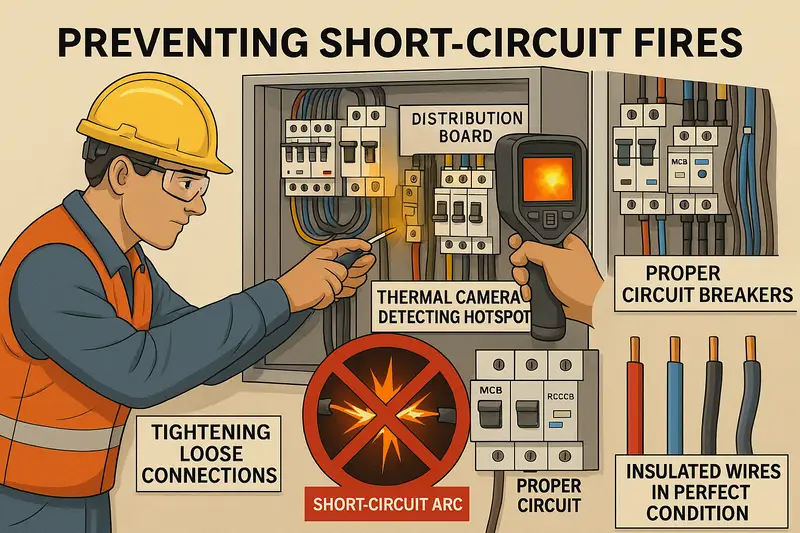
Preventing Short-Circuit Fires: Why They Happen and How to Stop Them Before Ignition

Preventing Short Circuit Fires

Preventing Short-Circuit Fires: Why They Happen and How to Stop Them Before Ignition Short-circuit fires are among the fastest and most destructive electrical fire incidents. Unlike overheating or overload fires that develop slowly, a short circuit can trigger instant ignition, violent sparks, molten metal, and explosive fire spread within seconds. According to HSE electrical safety … Read more

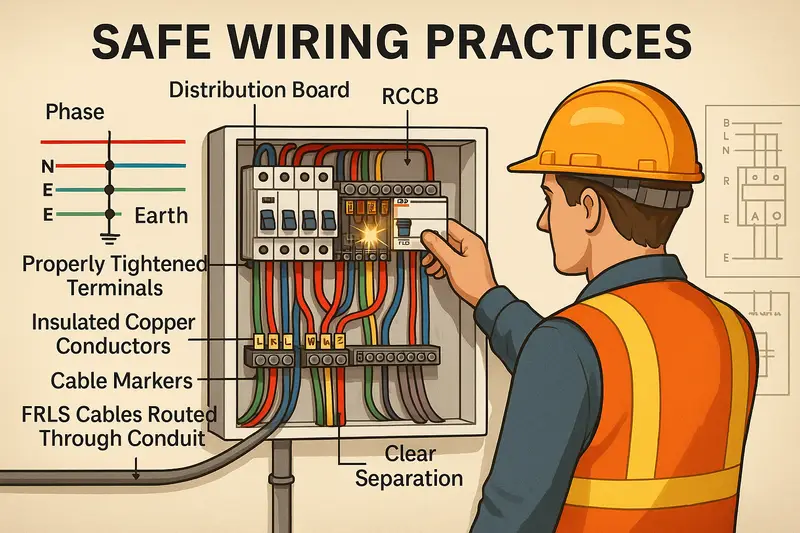
Safe Wiring Practices: How Proper Electrical Wiring Prevents Fires and Electrical Accidents

Safe Wiring Practices

Safe Wiring Practices: How Proper Electrical Wiring Prevents Fires and Electrical Accidents Safe wiring practices form the foundation of electrical safety in homes, offices, commercial buildings, and industrial facilities. Most electrical fires do not start because of faulty appliances. They begin silently inside walls, distribution boards, cable trays, or conduits due to poor wiring design, … Read more

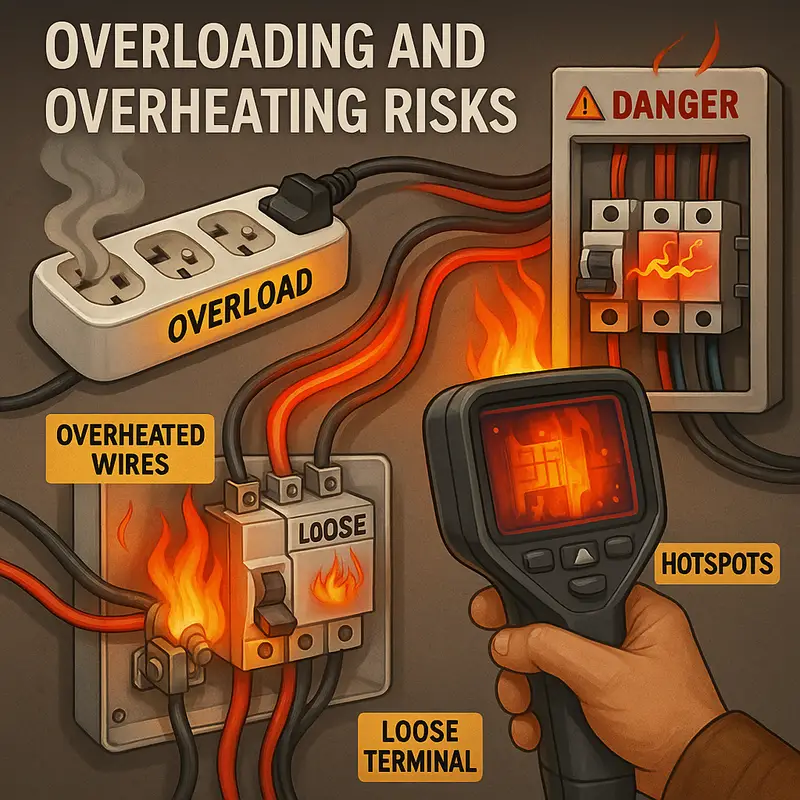
Overloading and Overheating Risks: How Electrical Systems Catch Fire and How to Prevent It

Overloading and Overheating Risks

Overloading and Overheating Risks: How Electrical Systems Catch Fire and How to Prevent It Electrical overloading and overheating are among the most common causes of electrical fires in homes, offices, and industrial facilities. These fires rarely start with sparks or explosions. Instead, they develop quietly over time inside wiring, switchboards, sockets, extension cords, and electrical … Read more