COβ‚‚ Fire Extinguisher, Where It Works Perfectly and Where It Becomes Dangerous
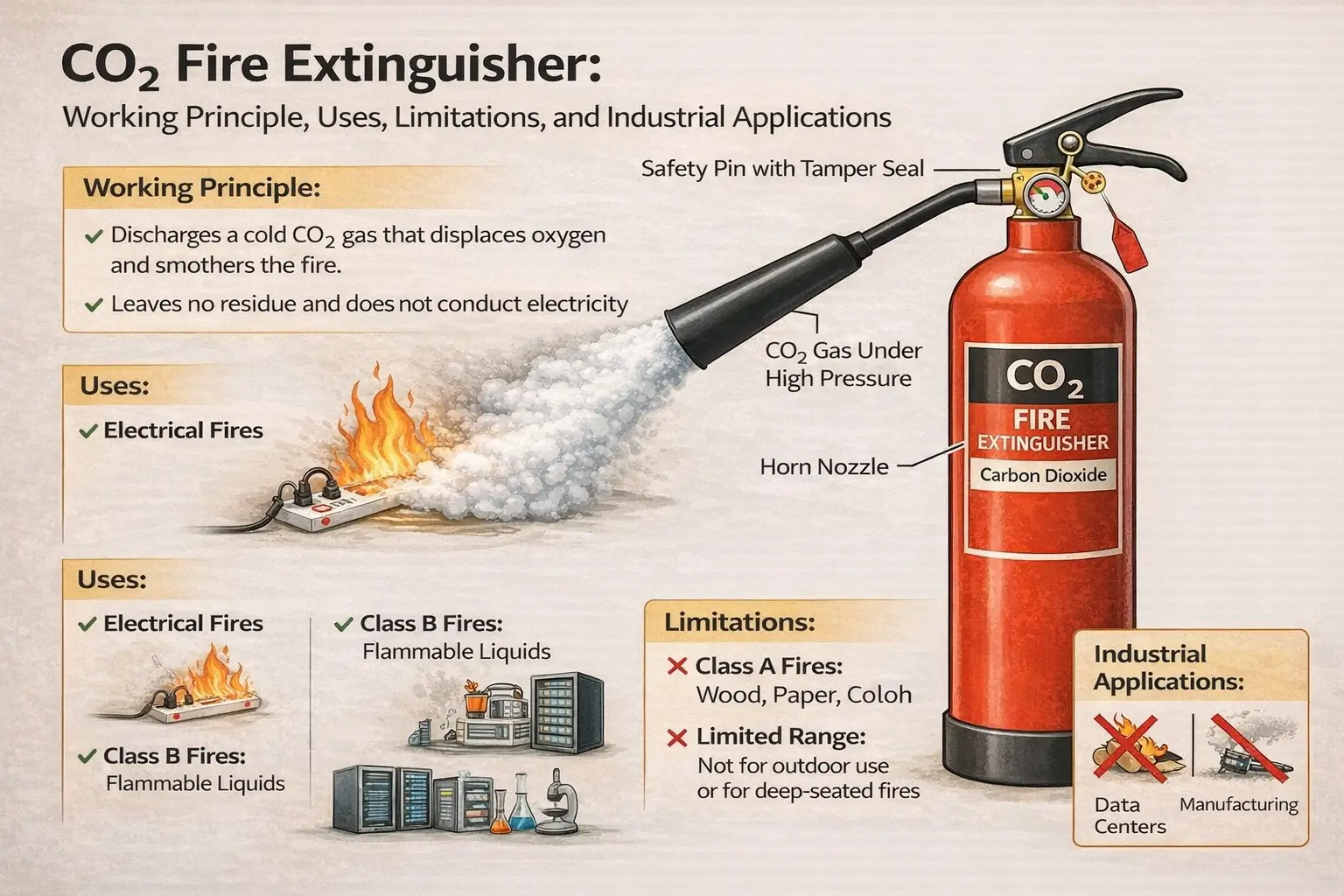
COβ‚‚ Fire Extinguisher

COβ‚‚ Fire Extinguisher, Where It Works Perfectly and Where It Becomes Dangerous COβ‚‚ fire extinguishers are widely installed in offices, server rooms, laboratories, electrical panels, and industrial facilities. They are often chosen because they leave no residue and do not damage equipment. However, fire investigations repeatedly show that COβ‚‚ extinguishers are frequently misunderstood and misused, … Read more
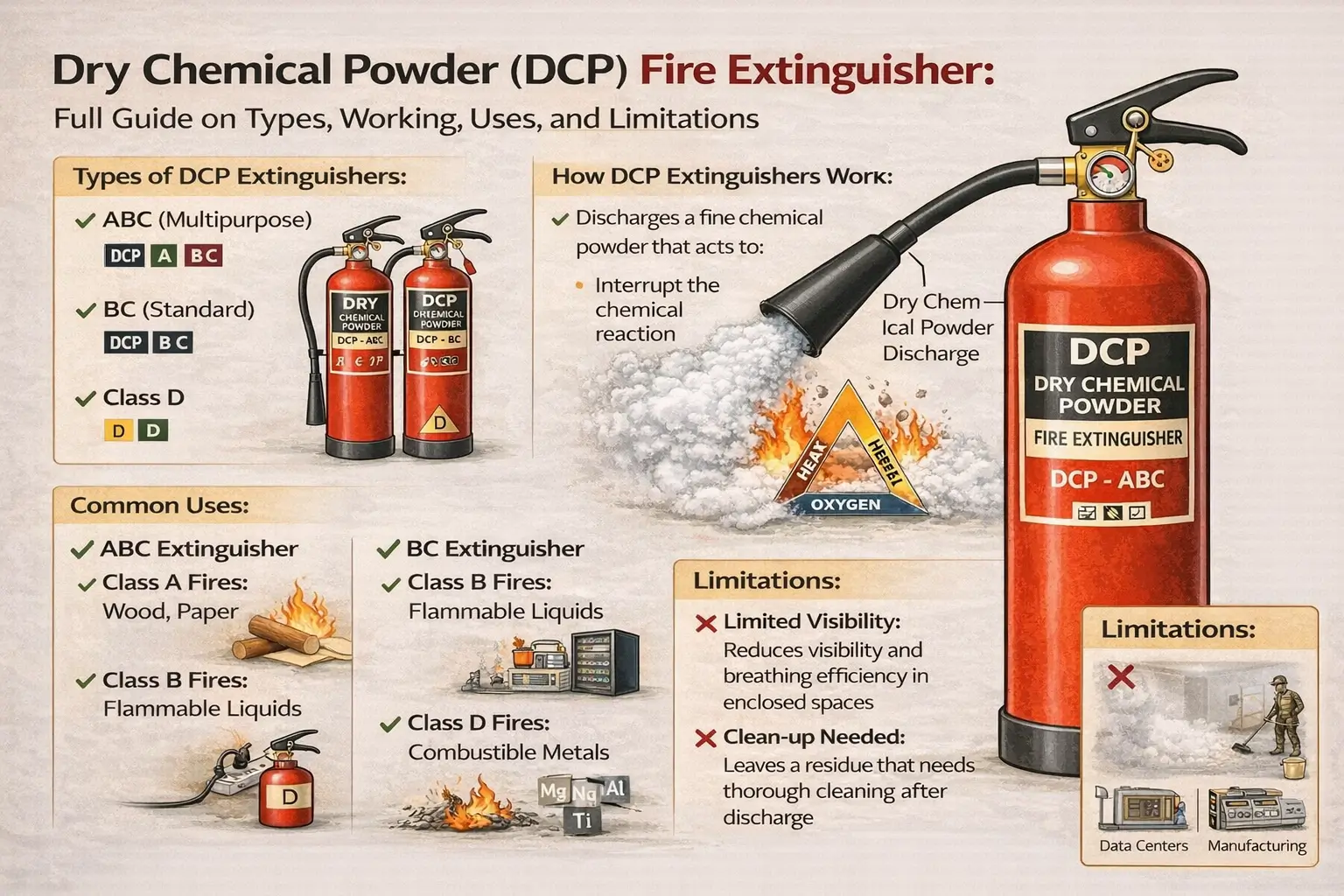
DCP Fire Extinguisher, Why It Works So Fast and Why It Often Fails After That

DCP Fire Extinguisher

DCP Fire Extinguisher, Why It Works So Fast and Why It Often Fails After That Dry Chemical Powder, commonly known as DCP, is one of the most widely installed fire extinguishers in the world. It is often called a β€œmulti-purpose” or β€œuniversal” extinguisher because it can knock down flames on many different types of fires. … Read more

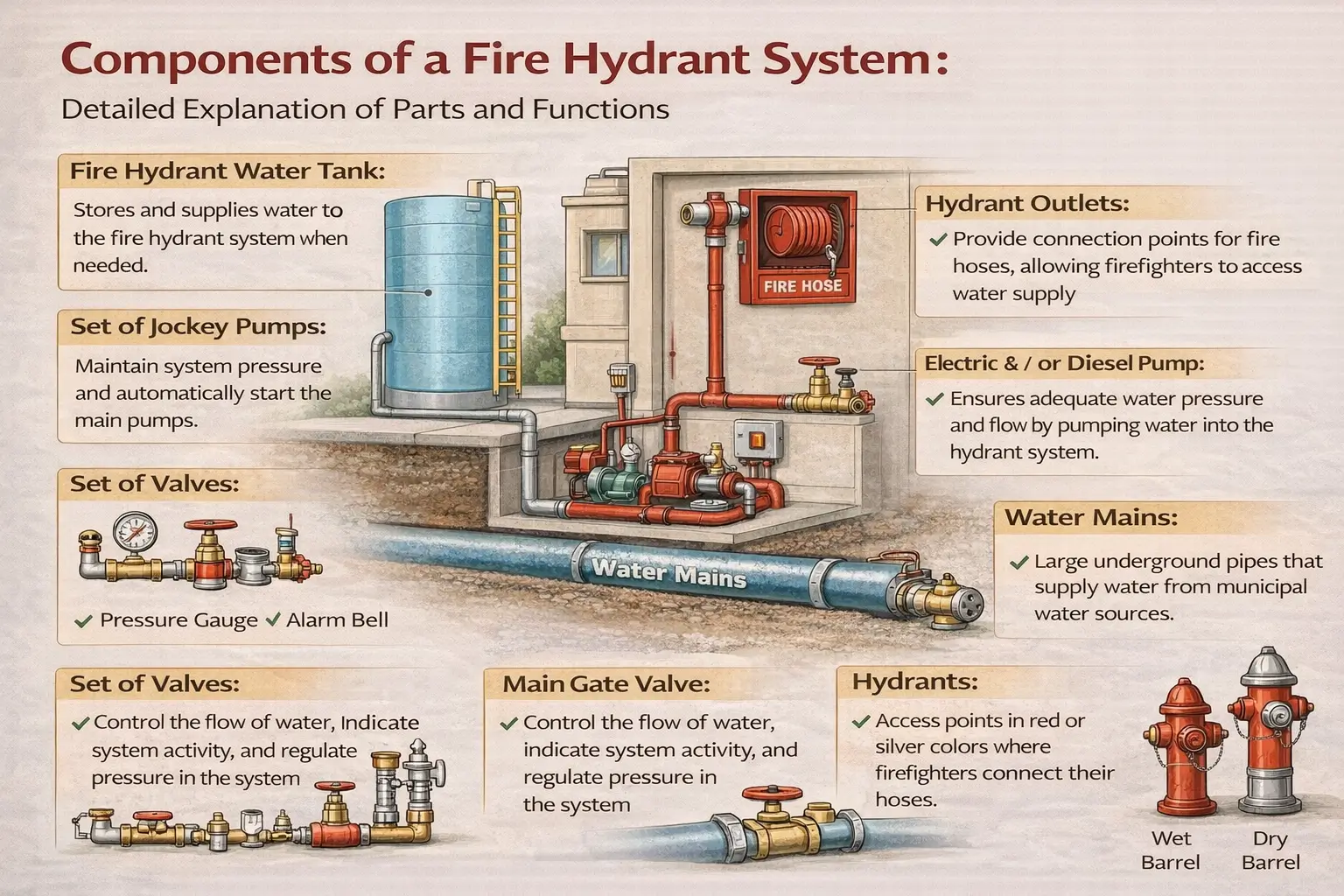
Components of a Fire Hydrant System, How Each Part Fails or Saves a Fire Response

Components of a Fire Hydrant System

Components of a Fire Hydrant System, How Each Part Fails or Saves a Fire Response A fire hydrant system looks impressive on drawings and inspection reports, but during a real fire, only one thing matters.Does water reach the firefighter at the required pressure, immediately, and without failure? Fire investigations repeatedly show that hydrant systems fail … Read more

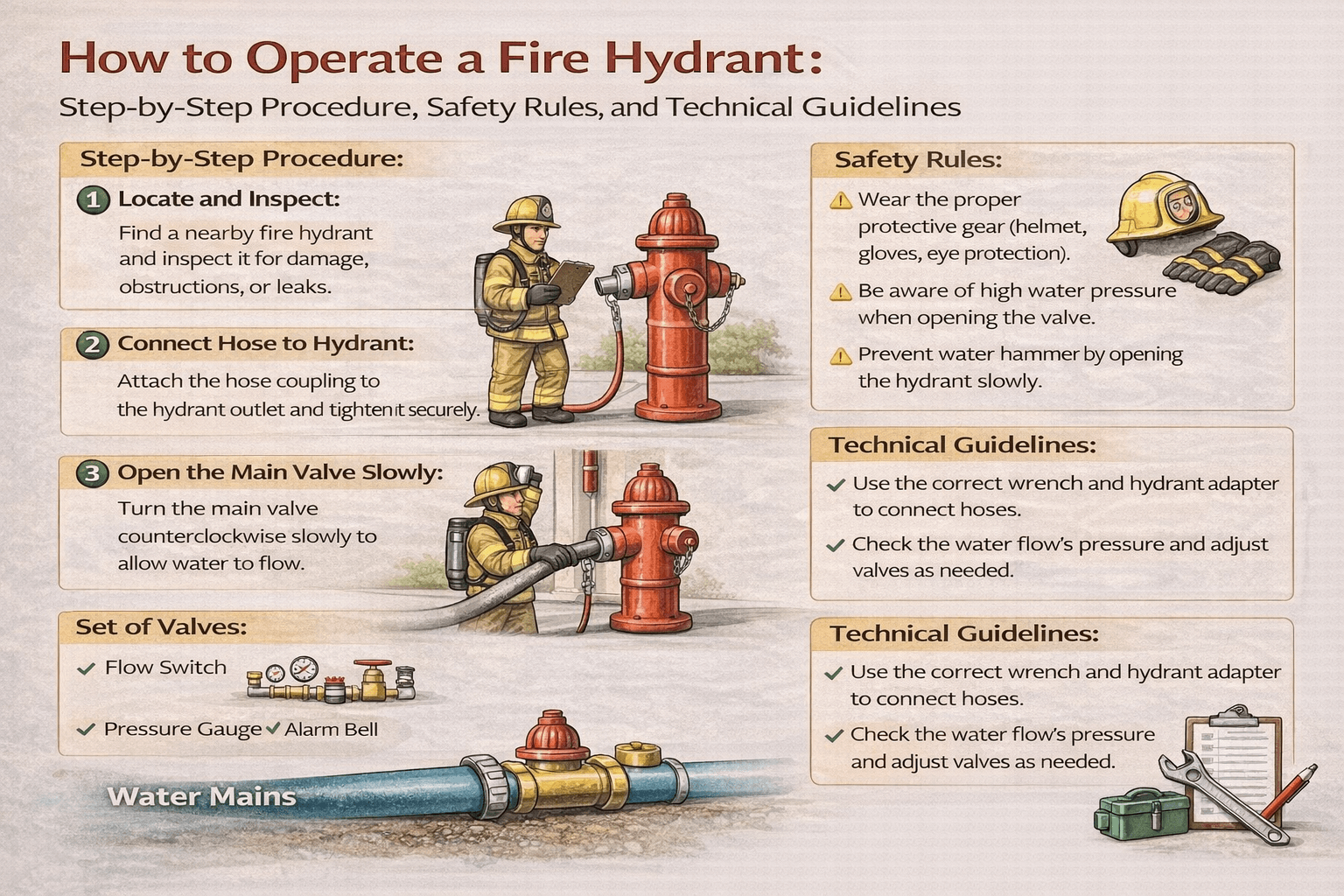
How to Operate a Fire Hydrant Safely During an Emergency

How to Operate a Fire Hydrant

How to Operate a Fire Hydrant Safely During an Emergency A fire hydrant can deliver thousands of liters of water per minute, but during real emergencies, hydrants often fail to control fires not because of poor design, but because they are operated incorrectly. Sudden valve opening, poor hose control, lack of coordination, or improper nozzle … Read more

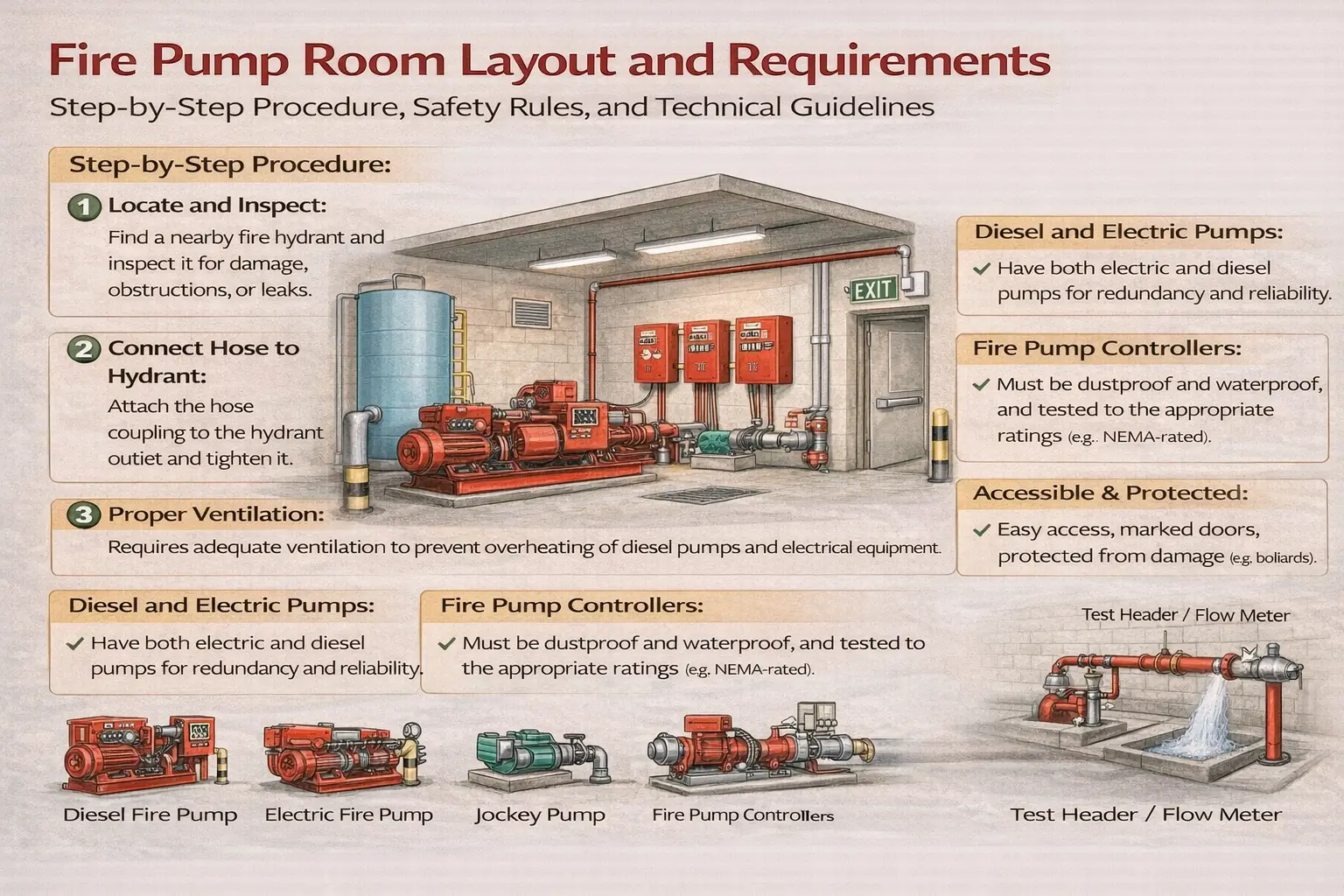
Fire Pump Room Layout and Requirements Explained Simply and Practically

Fire Pump Room Layout and Requirements

Fire Pump Room Layout and Requirements Explained Simply and Practically A fire pump room is the heart of a building’s fire protection system. If the pump room fails, hydrants and sprinklers lose pressure, water flow drops, and firefighting efforts become ineffective. Many serious fire incidents have escalated not because pumps were absent, but because the … Read more

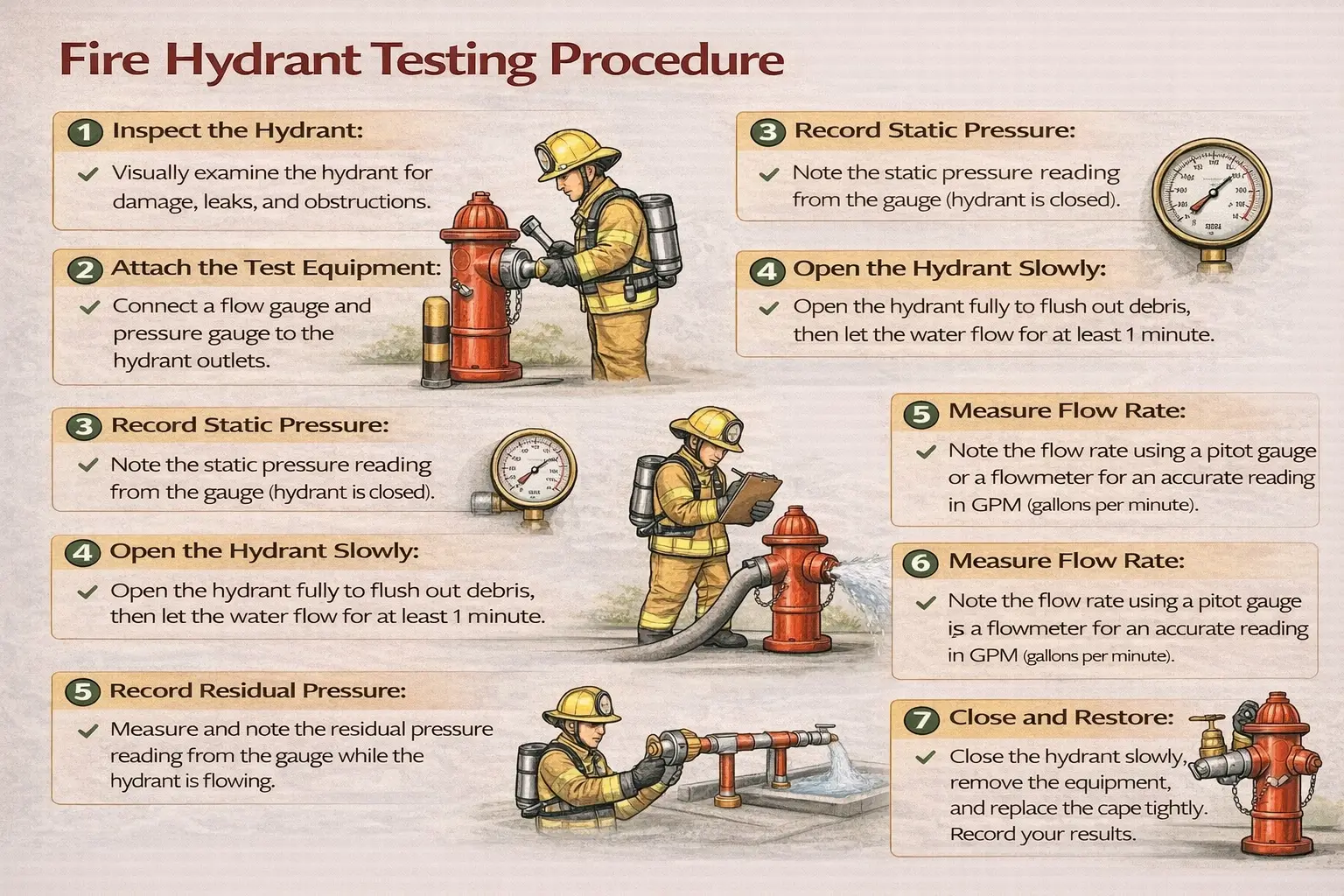
Fire Hydrant Testing Procedure: Why It Matters and How It Prevents Fire System Failure

Fire Hydrant Testing Procedure

Fire Hydrant Testing Procedure Explained: Why It Matters and How It Prevents Fire System Failure A fire hydrant system is only as reliable as its last successful test. Many buildings have hydrants installed for years without anyone knowing whether they can actually deliver sufficient water during a fire. Hydrant testing exists to answer one critical … Read more

Electrical Fire Causes Explained: Why Most Electrical Fires Start Without Warning

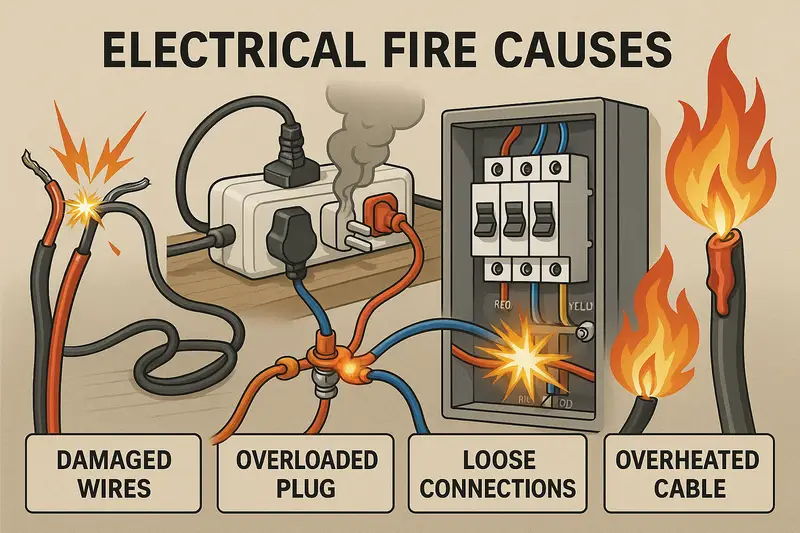
Electrical Fire Causes

Electrical Fire Causes Explained: Why Most Electrical Fires Start Without Warning Electrical fires rarely start with flames.They usually begin silently inside walls, switchboards, cables, and equipment, long before anyone smells smoke or sees sparks. By the time flames appear, temperatures may already be high enough to cause flash ignition and rapid fire spread. According to … Read more

Preventing Short-Circuit Fires: Why They Happen and How to Stop Them Before Ignition

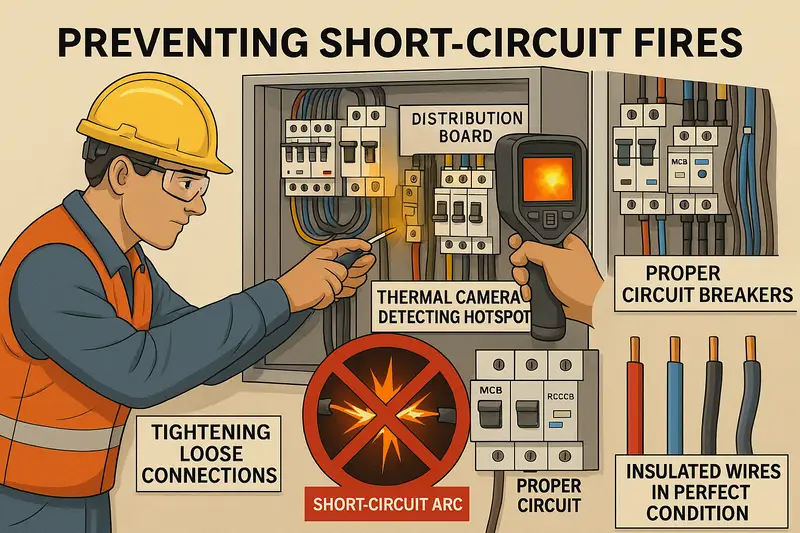
Preventing Short Circuit Fires

Preventing Short-Circuit Fires: Why They Happen and How to Stop Them Before Ignition Short-circuit fires are among the fastest and most destructive electrical fire incidents. Unlike overheating or overload fires that develop slowly, a short circuit can trigger instant ignition, violent sparks, molten metal, and explosive fire spread within seconds. According to HSE electrical safety … Read more

Safe Wiring Practices: How Proper Electrical Wiring Prevents Fires and Electrical Accidents

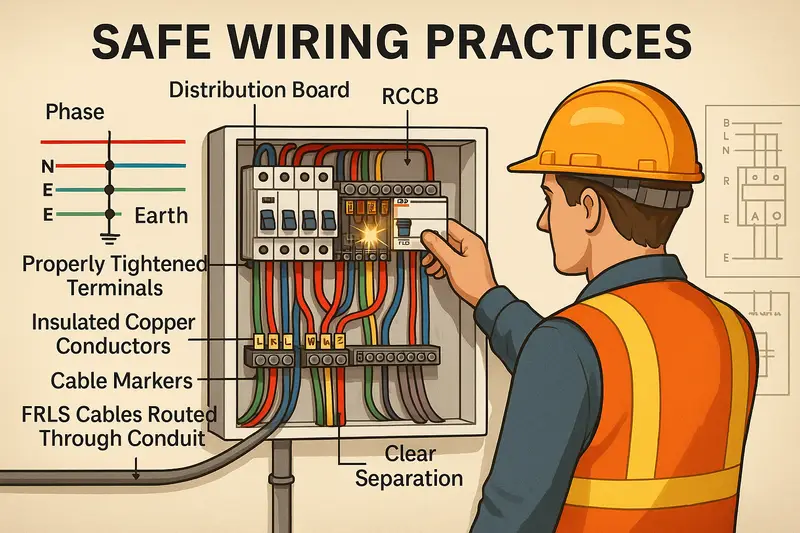
Safe Wiring Practices

Safe Wiring Practices: How Proper Electrical Wiring Prevents Fires and Electrical Accidents Safe wiring practices form the foundation of electrical safety in homes, offices, commercial buildings, and industrial facilities. Most electrical fires do not start because of faulty appliances. They begin silently inside walls, distribution boards, cable trays, or conduits due to poor wiring design, … Read more

Overloading and Overheating Risks: How Electrical Systems Catch Fire and How to Prevent It

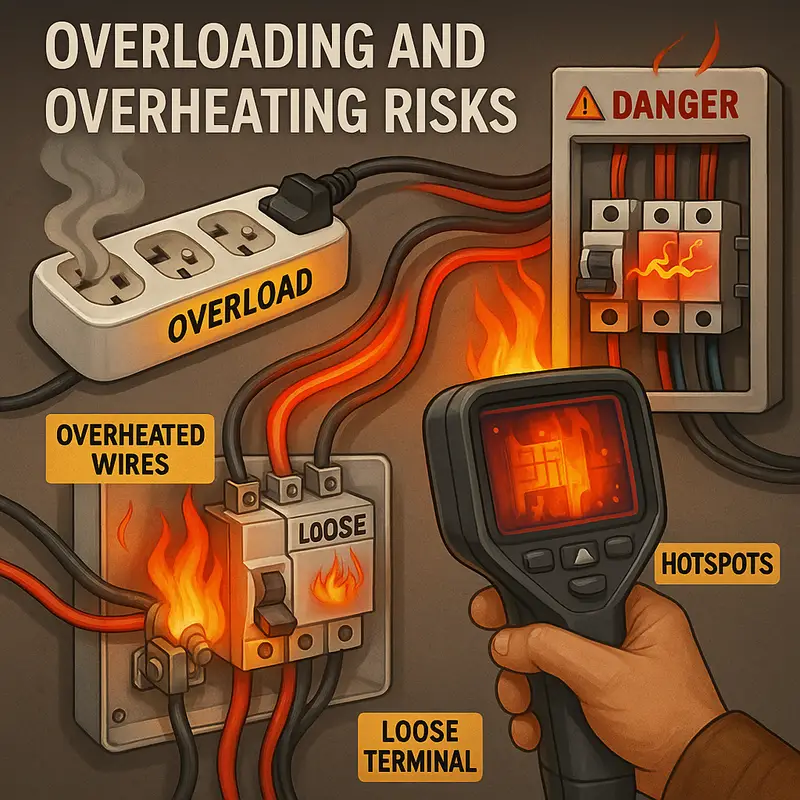
Overloading and Overheating Risks

Overloading and Overheating Risks: How Electrical Systems Catch Fire and How to Prevent It Electrical overloading and overheating are among the most common causes of electrical fires in homes, offices, and industrial facilities. These fires rarely start with sparks or explosions. Instead, they develop quietly over time inside wiring, switchboards, sockets, extension cords, and electrical … Read more