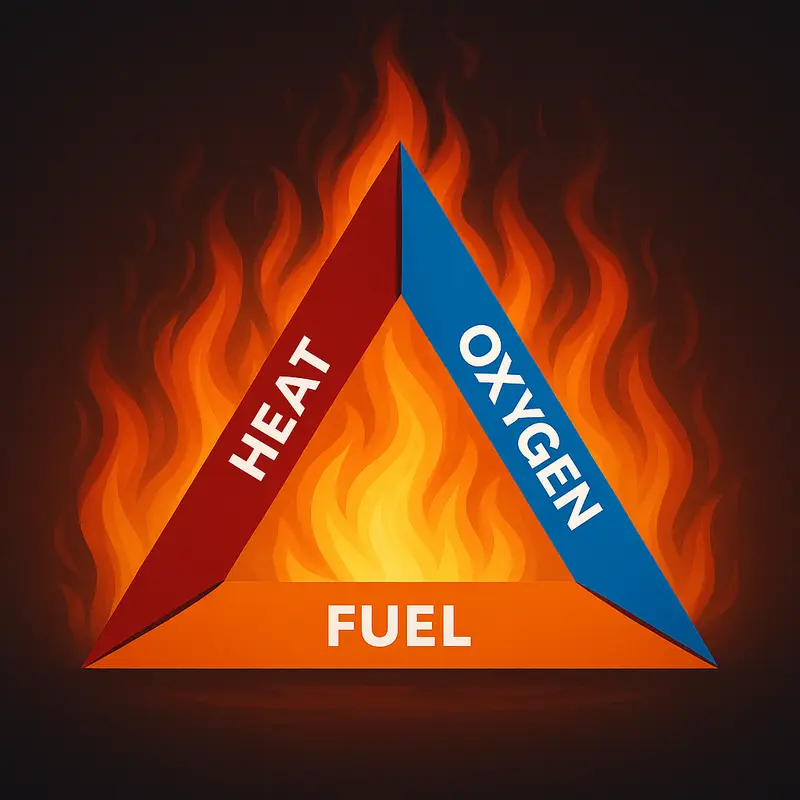
Fire Triangle Explained, Practical Fire Risk Control Guide for Workplaces

Fire Triangle Explained

Fire Triangle Explained, Practical Fire Risk Control Guide for Workplaces Fire incidents in workplaces rarely happen by accident. In most cases, they occur because one or more elements of the fire triangle were not properly controlled. After working on industrial shutdowns, electrical safety audits, and fire risk assessments, I have seen that understanding the fire … Read more
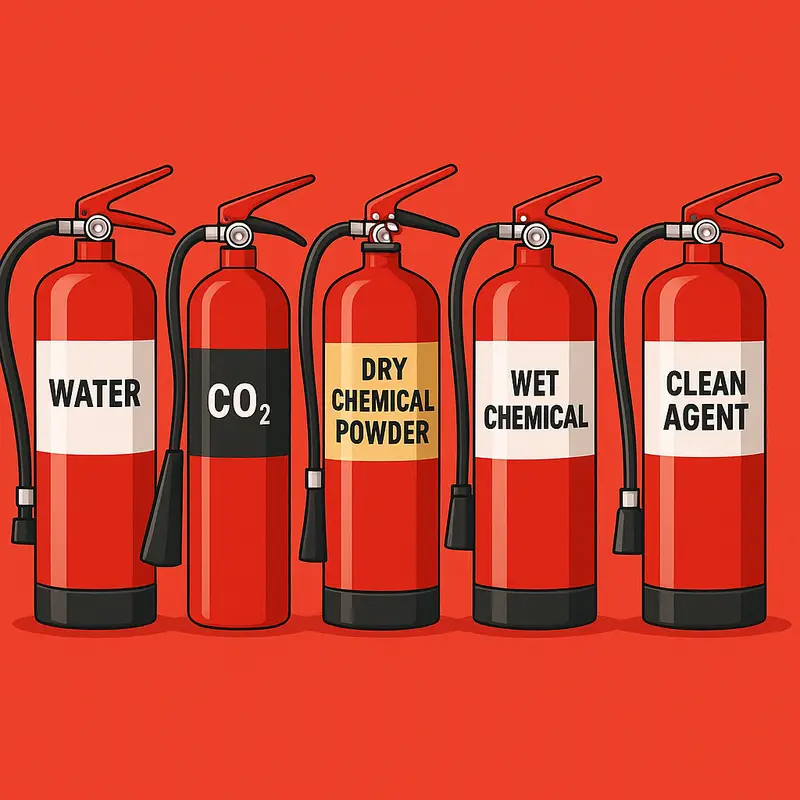
Types of Fire Extinguishers Explained, How to Select the Right One for Real Workplace Fires

Types of Fire Extinguishers

Types of Fire Extinguishers Explained, How to Select the Right One for Real Workplace Fires Choosing the wrong fire extinguisher during an emergency can make a small fire uncontrollable within seconds. During site inspections, audits, and emergency drills, one common issue repeatedly appears. Fire extinguishers are installed, but workers do not know which one to … Read more

Fire Hydrant System Explained, How It Works, Why It Fails, and How to Keep It Fire Ready

Fire Hydrant System

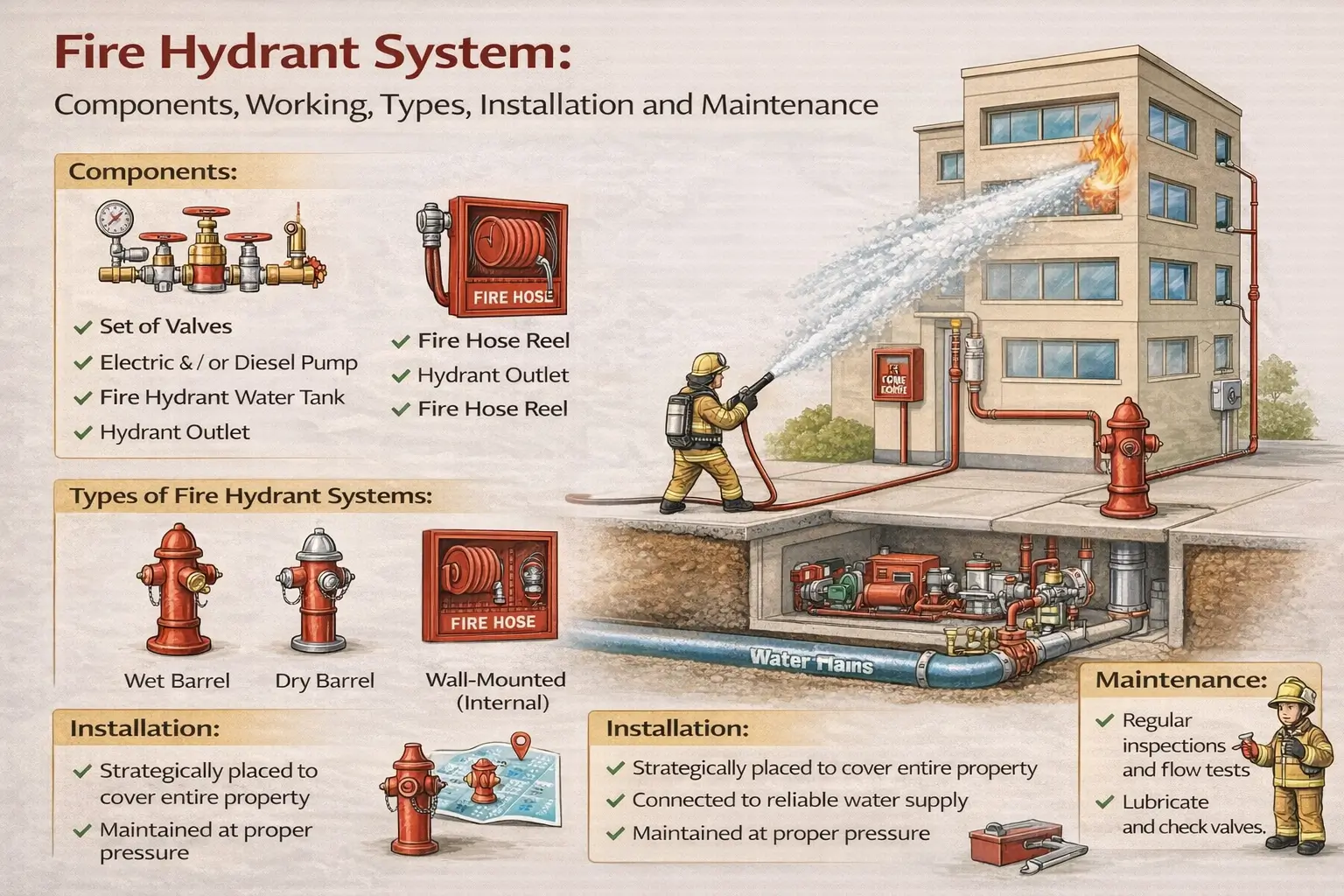
Fire Hydrant System Explained, How It Works, Why It Fails, and How to Keep It Fire Ready During major fire incidents, portable fire extinguishers are rarely enough. Once a fire grows beyond the initial stage, a reliable fire hydrant system becomes the primary firefighting tool. However, site inspections and real fire incidents repeatedly show that … Read more

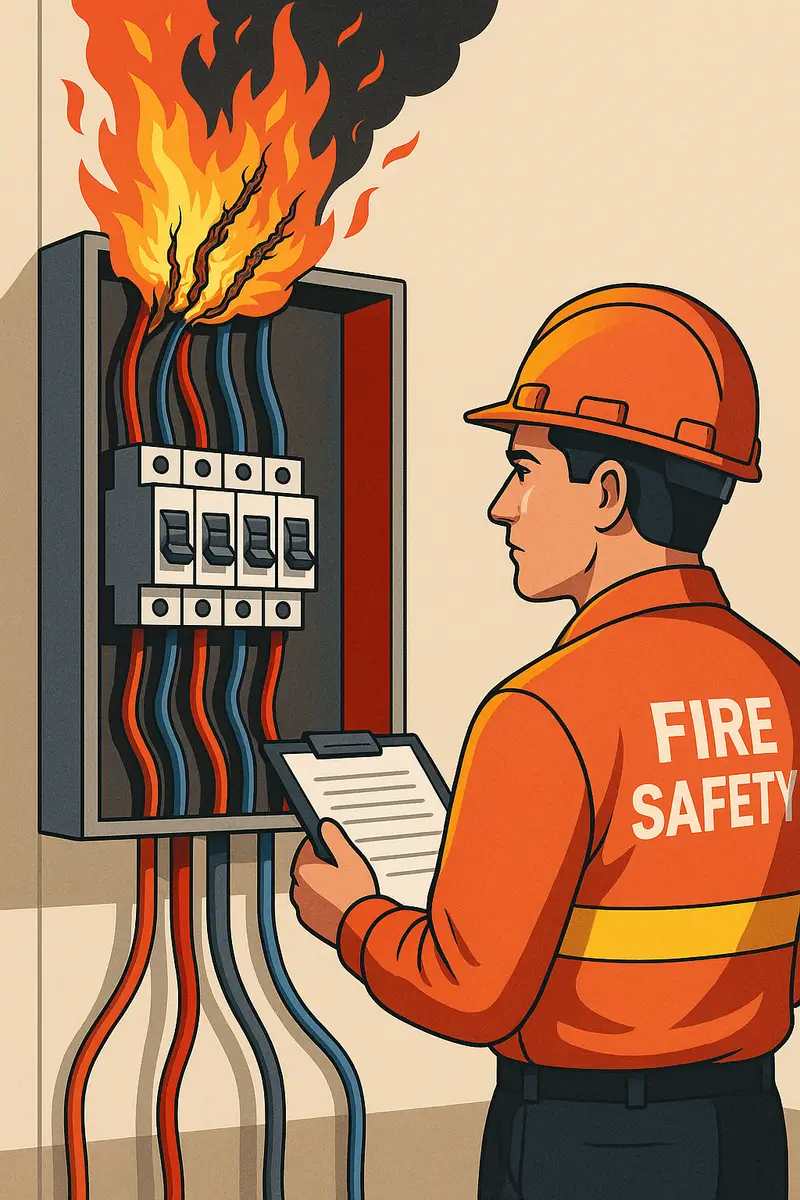
Electrical Fire Safety Explained, Why Electrical Fires Start and How to Stop Them Before Ignition

Electrical Fire Safety

Electrical Fire Safety Explained, Why Electrical Fires Start and How to Stop Them Before Ignition Electrical fires rarely start with flames. In most cases, they begin silently inside panels, cables, or equipment long before smoke is visible. Site investigations repeatedly show that electrical fires are not sudden accidents. They are the result of ignored warning … Read more

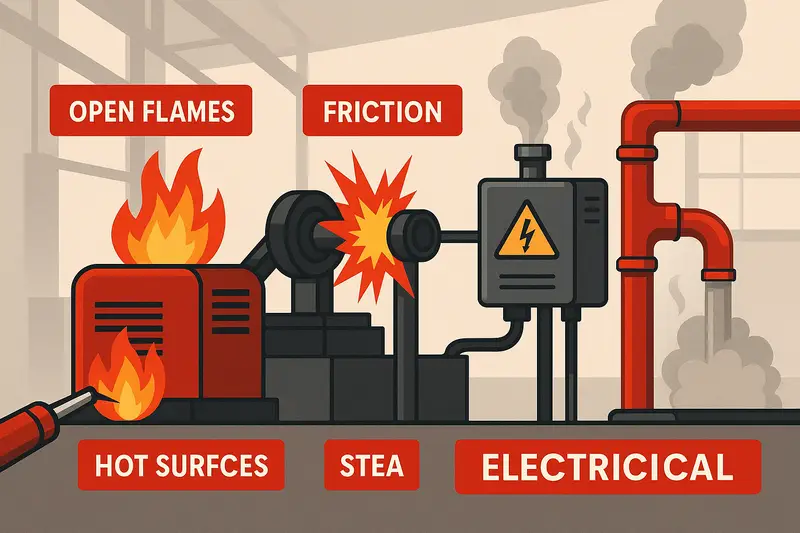
Heat Sources in Industrial Fires, Where Ignition Really Starts and How to Stop It

Heat Sources in Industrial Fires

Heat Sources in Industrial Fires, Where Ignition Really Starts and How to Stop It In industrial fires, heat is rarely accidental. Investigations consistently show that ignition occurs because heat sources were known, present, and poorly controlled. Whether the fire starts from electrical overheating, friction, hot work, or chemical reactions, heat is almost always the trigger … Read more

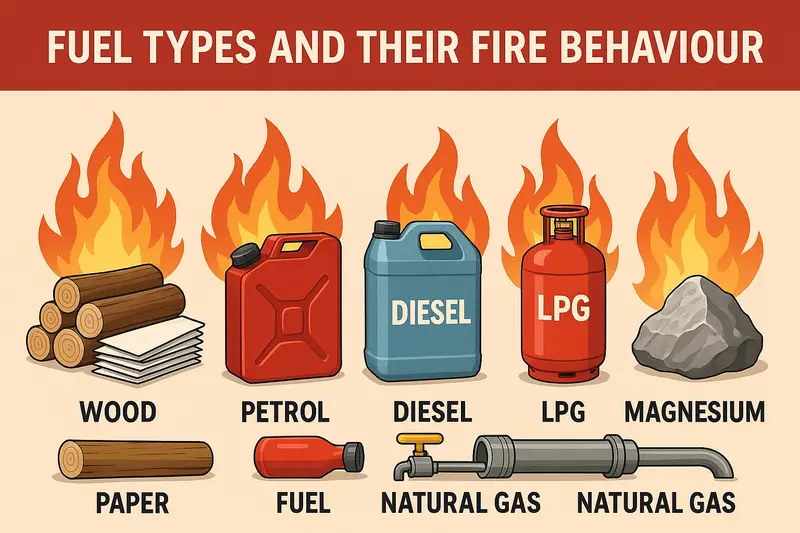
Fuel Types and Their Fire Behaviour, Why Different Fuels Burn Differently and How Fires Escalate

Fuel Types and Their Fire Behaviour

Fuel Types and Their Fire Behaviour, Why Different Fuels Burn Differently and How Fires Escalate In real fires, fuel type determines how fast a fire starts, how violently it spreads, how much smoke is produced, and whether an incident becomes controllable or catastrophic. Fire investigations consistently show that many fires escalate not because fuel was … Read more

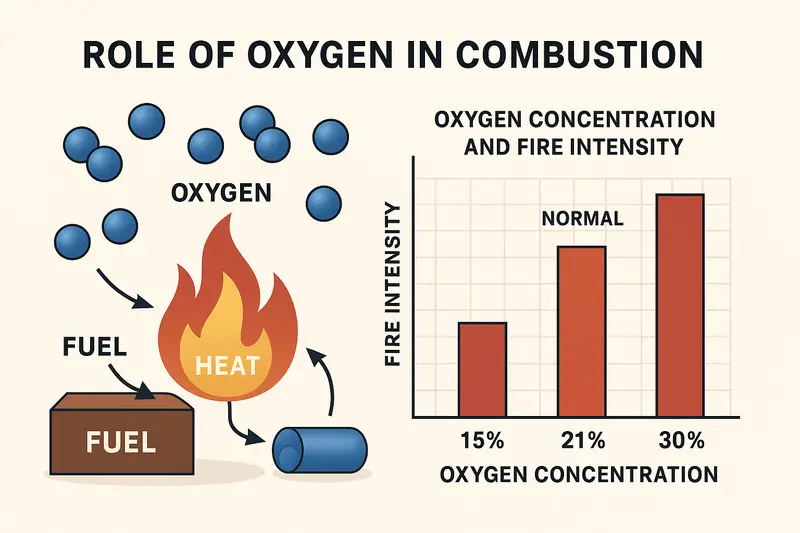
Role of Oxygen in Combustion, How Oxygen Makes Fires Grow and Why It Becomes Dangerous

Role of Oxygen in Combustion

Role of Oxygen in Combustion, How Oxygen Makes Fires Grow and Why It Becomes Dangerous In real fire incidents, oxygen is rarely discussed until it is too late. Fire investigations repeatedly show that fires grow out of control not only because fuel and heat are present, but because oxygen is allowed to flow freely or … Read more

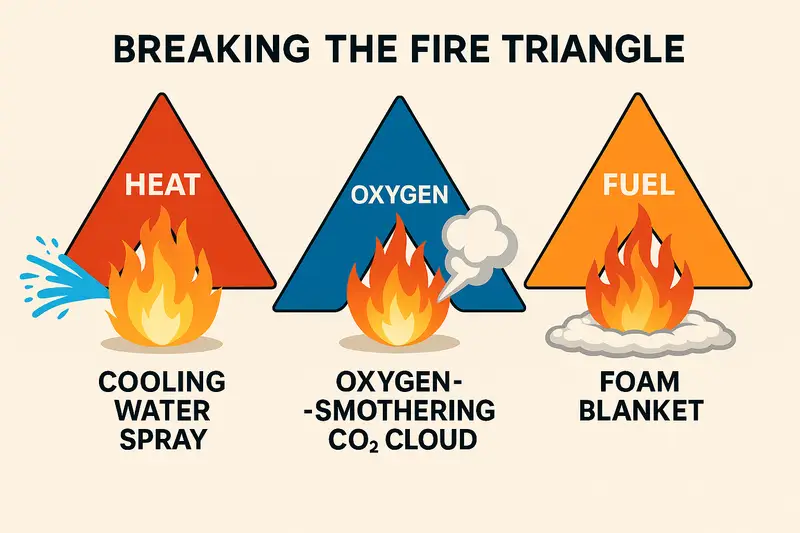
Breaking the Fire Triangle, How Fires Are Actually Stopped in Real Situations

Breaking the Fire Triangle

Breaking the Fire Triangle, How Fires Are Actually Stopped in Real Situations In real fire incidents, fires are not extinguished by theory. They are stopped by quick decisions that remove heat, cut off fuel, or control oxygen. Fire investigations repeatedly show that fires escalate not because the fire triangle was unknown, but because people failed … Read more

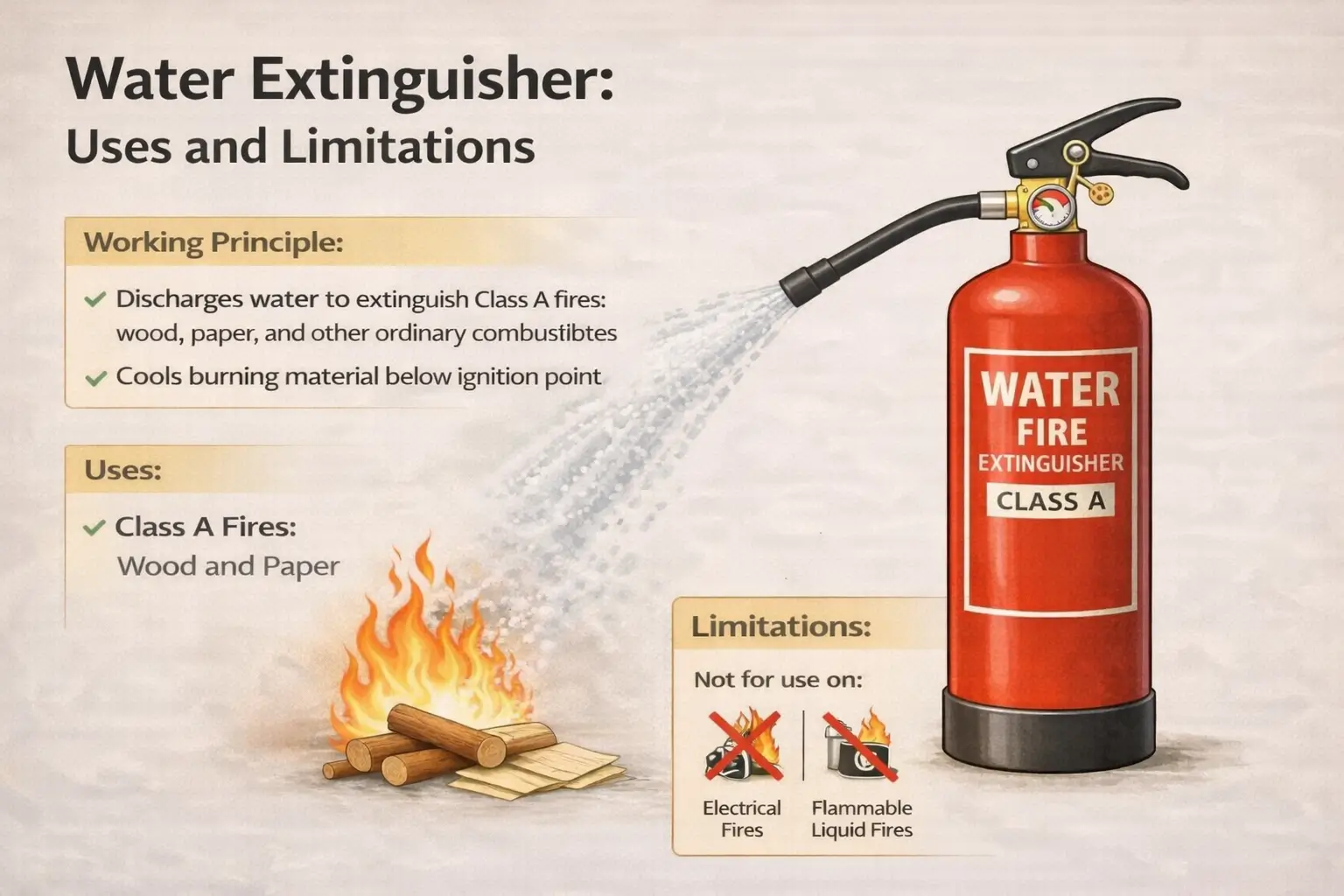
Water Extinguisher, When It Works, When It Fails, and How People Misuse It

Water Extinguisher

Water Extinguisher, When It Works, When It Fails, and How People Misuse It Water fire extinguishers are among the most common firefighting tools found in buildings. They are simple, reliable, and extremely effective when used on the right type of fire. At the same time, fire investigations repeatedly show that water extinguishers are also one … Read more

Foam Fire Extinguishers, When They Are the Best Choice and When They Are Dangerous

Foam Fire Extinguishers

Foam Fire Extinguishers, When They Are the Best Choice and When They Are Dangerous Foam fire extinguishers are among the most effective tools for controlling fires involving flammable liquids and ordinary combustibles. When used correctly, foam can stop fires faster than water or powder and prevent re ignition. When used incorrectly, however, foam can fail … Read more